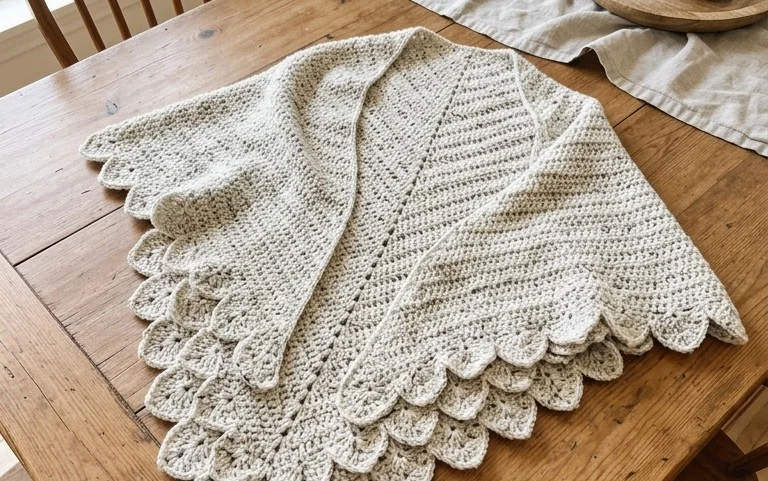
The Feather Wings Shawl crochet pattern is inspired by the delicate, light feel of actual bird wings. When you finish, it drapes beautifully with open stitches that let it hang softly. It’s the kind of accessory that can dress up a simple outfit for an evening out or keep your shoulders warm on a breezy afternoon. The stitches gradually get wider along the edges, creating that lovely, curved wing shape. This pattern is well-suited for crocheters who are comfortable with basic stitches and ready for a rewarding project. You’ll learn how to build the lace pattern from the bottom up and shape it into that signature wing design. It makes a wonderful gift, too, for anyone who appreciates handmade beauty. Get ready to create something truly special.
Feather Wings Shawl Crochet Pattern
The Feather Wings Shawl is a truly enchanting crochet project. Its delicate, lacy design evokes the softness and lightness of bird wings, making it a beautiful accessory for any occasion. Whether you’re looking for a stunning addition to your evening wear or a cozy wrap for a cool afternoon, this shawl delivers. The openwork stitches create a beautiful drape, and the gradual increase in stitches along the edges gives it that characteristic wing-like shape.
Yarn and Hook Recommendations
Choosing the right yarn and hook is key to achieving that ethereal Feather Wings look. For this pattern, I recommend a light and airy yarn that has a good drape. A fingering weight or lace weight yarn is ideal. Look for natural fibers like merino wool, alpaca, or silk blends. These fibers have a lovely sheen and softness that will truly make the “feathers” pop. A good quality acrylic yarn can also work well, especially if you’re looking for a more budget-friendly option or if you need something washable and durable.
When it comes to yarn quantity, it’s always best to buy a little extra, especially if you’re new to a pattern or yarn type. For a standard-sized shawl, you’ll likely need between 500 to 800 yards (approximately 450 to 730 meters). Always check the yarn label for yardage and recommended hook size. This pattern is designed to work well with a hook size that creates a relaxed fabric. A US size E/4 (3.5 mm) or F/5 (3.75 mm) crochet hook is a good starting point. If your gauge is too tight, you might need to go up a hook size. If it feels too loose, go down a size.
Stitch Techniques Used
The beauty of the Feather Wings Shawl lies in its relatively simple yet effective stitch combination. The primary stitches you’ll encounter are:
- Chain (ch): The foundation for most crochet stitches, used to create space and length.
- Slip Stitch (sl st): Used for joining rounds or creating a neat edge.
- Single Crochet (sc): A basic, dense stitch that forms the foundation for many rows.
- Double Crochet (dc): A taller stitch that creates more drape and openwork.
- Treble Crochet (tr): An even taller stitch that contributes significantly to the lacy, airy feel of the shawl.
- Double Crochet 2 Together (dc2tog): A decrease stitch used to shape the shawl and create the pointed wing tips.
The pattern also incorporates yarn overs and skipping stitches to create the signature eyelets and lace patterns. Don’t be intimidated by the treble crochets; they work up quickly and are essential for the shawl’s delicate appearance.
Tips for Beginners
If you’re new to crochet, this pattern might seem a bit challenging at first glance, but it’s actually very manageable with a little patience. Here are some tips to help you along:
- Practice the stitches: Before you begin the shawl itself, practice the basic stitches (sc, dc, tr) and the decrease (dc2tog) on a small swatch. This will help you get a feel for tension and consistency.
- Read the pattern carefully: Go through the entire pattern before you start. Familiarize yourself with the abbreviations and the stitch counts for each row.
- Use stitch markers: Stitch markers are your best friend! Use them to mark the beginning and end of rows, or to mark specific stitches where increases or decreases occur. This will help you keep track of your place and avoid mistakes.
- Check your gauge: While gauge isn’t always critical for shawls, it does affect the overall size and drape. Making a swatch according to the pattern’s gauge recommendation will ensure your shawl turns out as intended.
- Don’t be afraid to frog: “Frogging” is crochet lingo for ripping out your work. If you realize you’ve made a mistake, it’s much better to go back a few rows than to try and fix it later, which can often make the fabric look messy.
- Watch video tutorials: If you’re struggling with a particular stitch or technique, there are countless free video tutorials available online that can demonstrate it visually.
How to Customize
The Feather Wings Shawl is wonderfully adaptable. You can make it your own in several ways:
- Colors: While the pattern is beautiful in a single, solid color, you can get creative with multiple yarns. Consider a gradient yarn for a seamless color transition, or switch colors every few rows for a striped effect. You could also use a variegated yarn as your main color and a solid contrast for the edging.
- Sizes: The shawl is worked from the center out, making it easy to adjust the size. Simply continue working the increase rows until you reach your desired dimensions. Remember that a larger shawl will require more yarn. You can also make a smaller version for a child or a more compact shoulder wrap.
- Edging: The pattern includes a specific edging, but you can also experiment with others. A simple shell stitch border or a picot edge could offer a different feel.
Care Instructions for the Finished Piece
Proper care will keep your Feather Wings Shawl looking beautiful for years to come. The best method depends on the yarn you used:
- Handwashing: For most wool, alpaca, and silk blends, handwashing is recommended. Fill a clean sink or basin with cool water and add a small amount of wool wash or mild detergent. Gently agitate the water to distribute the soap, then submerge your shawl. Let it soak for about 15-20 minutes. Do not wring or twist the yarn, as this can cause it to felt or stretch out of shape.
- Rinsing: Drain the soapy water and refill the basin with clean, cool water. Gently press the shawl to rinse out the soap. Repeat this rinsing process until all the soap is gone.
- Drying: Carefully lift the shawl, supporting its weight to prevent stretching. Gently squeeze out excess water. Lay the shawl flat on a clean, dry towel. Roll the towel up with the shawl inside, pressing gently to absorb more moisture. Then, unroll and lay the shawl flat on a fresh, dry towel or a mesh drying rack. Reshape the shawl to its original dimensions and allow it to air dry completely. Keep it away from direct sunlight or heat, which can cause fading or damage.
- Machine Washing (for superwash or acrylic yarns): If you used a superwash wool or an acrylic yarn that is specifically labeled as machine washable, you can use your washing machine’s delicate cycle with cold water and a mild detergent. Always place your crochet item in a mesh laundry bag to protect it.
- Blocking: Blocking is highly recommended for lace shawls. It helps to open up the stitches, define the pattern, and achieve the final dimensions. You can use pins to secure the edges of the shawl to a blocking mat or even to your carpet.
Project Ideas
While the Feather Wings Shawl is a stunning accessory on its own, the stitch pattern and techniques can inspire other wonderful projects:
- Matching Scarf: Create a coordinating scarf using the same feather stitch pattern. You can make it as wide or as narrow as you like.
- Cowl or Infinity Scarf: Work the feather stitch in the round to create a cozy cowl or an infinity scarf. This would be particularly beautiful with a self-striping or variegated yarn.
- Lacy Blanket Trim: Use a smaller version of the feather motif as a decorative border for a crochet or knitted baby blanket or afghan.
- Sleeves for a Top: Imagine a simple tank top with the feather wing pattern incorporated into the sleeves for a truly unique garment.
- Table Runner: A narrow, rectangular version of this lace pattern could make for a delicate and elegant table runner for special occasions.
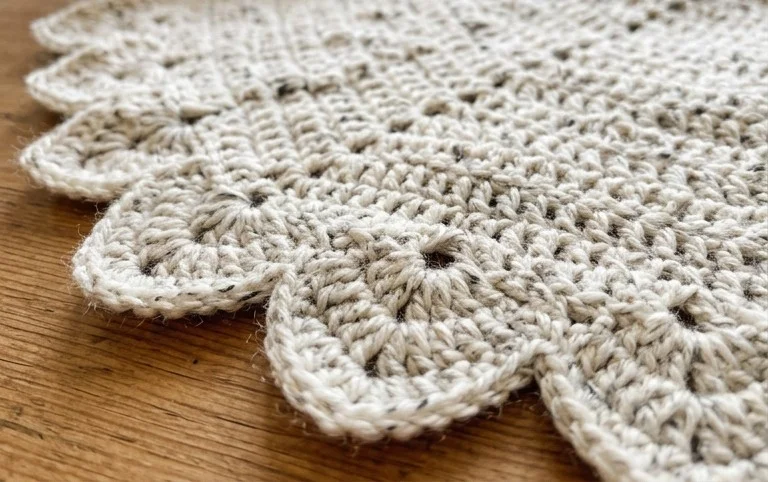
Finishing this Feather Wings Shawl is a real accomplishment. It’s a project that shows off the beauty of crochet lace and gives you a gorgeous accessory you’ll want to wear again and again. Don’t hesitate to experiment with the yarn; a subtle gradient or a speckled yarn could add even more interest. If you make one, I’d love to see it! Share a photo on social media and tag it so others can find it. You can also try making it in different sizes or even as a triangular scarf. Keep exploring new patterns and stitches, and happy crocheting!